Construction
How to Calculate Concrete Volume for Home Projects
Calculate concrete volume for slabs, footings, and small homeowner projects in cubic feet, yards, or meters.
Jul 13, 20266 min readRead Guide


6 Calculators · 5 Guides — Project calculators for concrete volume, roofing, drywall, decks, fences, and material checks.
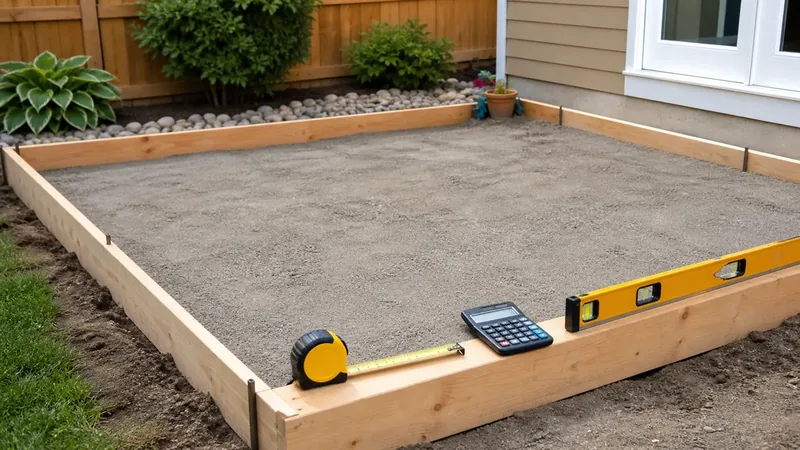
Small construction projects can be delayed or weakened when material quantities are guessed. HomCalc construction calculators help homeowners and DIY renovators estimate concrete for rectangular slabs, footings, columns, walkways, patios, shed bases, and similar projects. The concrete calculator multiplies finished length, width, and depth to find wet volume, converts that result between cubic meters and cubic feet, and estimates whole premixed bags using a standard assumed yield. This provides a useful starting point for comparing bagged concrete with a ready-mix supplier and for planning transport, mixing time, and labor. Real sites are not perfectly uniform, so the estimate should be checked against field conditions. Excavation depth can vary, forms can move, bases may absorb material, and concrete bag yields differ by product and water content. Measure several points, use consistent units, verify the manufacturer’s stated yield, and include a reasonable contingency before ordering. Divide irregular shapes into simple sections and add their volumes. Structural footings, reinforced slabs, load-bearing columns, and work governed by local codes require appropriate design, permits, reinforcement details, and professional review beyond a material calculator.
6 calculators for planning construction projects.
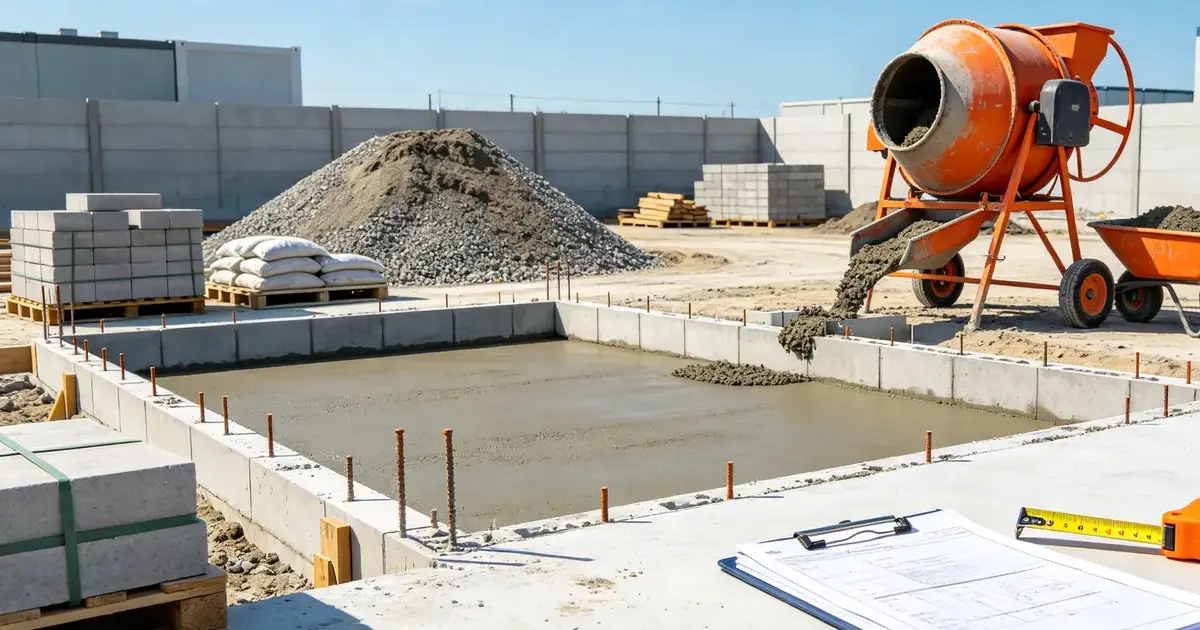
Calculate concrete volume and materials needed.
Open Calculator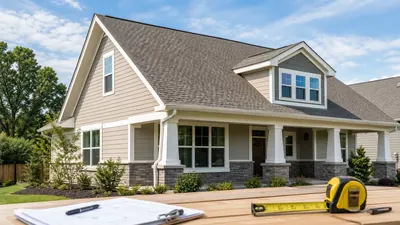
Calculate the area of a simple rectangular roof section.
Open Calculator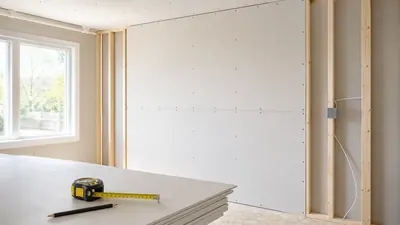
Estimate drywall sheets from wall area and sheet coverage.
Open Calculator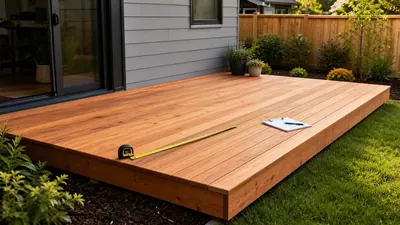
Calculate the surface area of a rectangular deck.
Open Calculator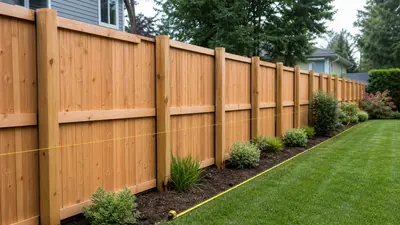
Estimate the number of posts for a straight fence run.
Open Calculator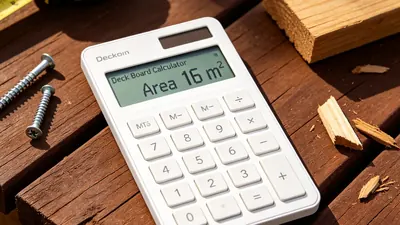
Calculate deck boards and materials needed.
Open CalculatorPractical advice and measurement guidance for related projects.
Calculate concrete volume for slabs, footings, and small homeowner projects in cubic feet, yards, or meters.
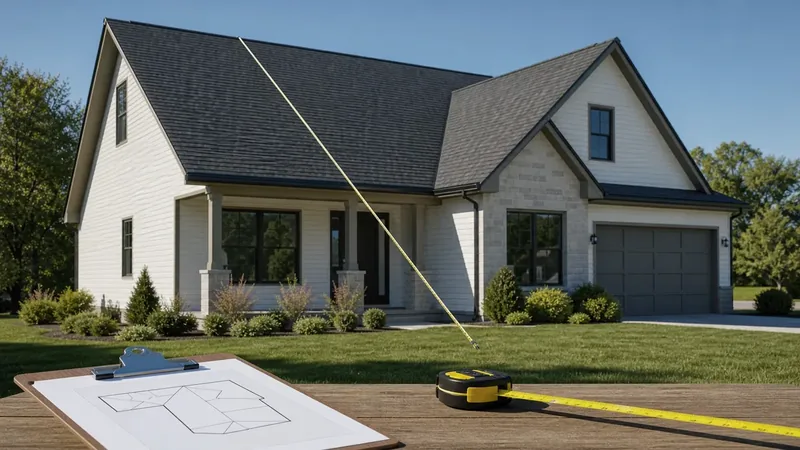
Measure simple roof sections, account for slope, and estimate roofing area without unsafe guesswork.
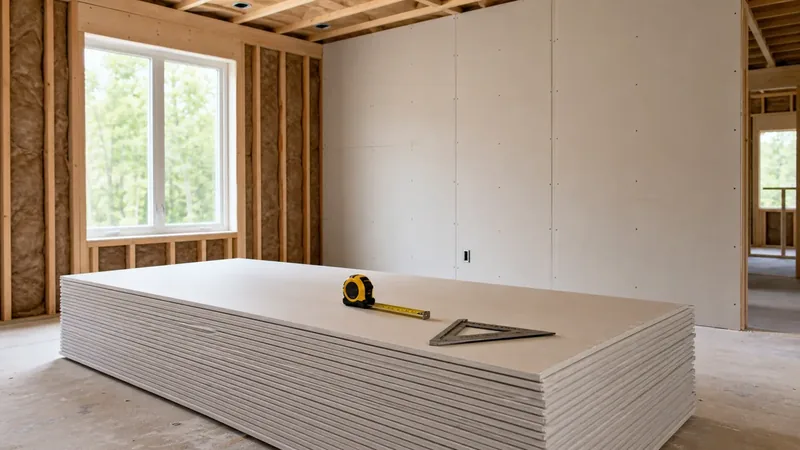
Calculate drywall wall area, sheet coverage, full panels, openings, and installation waste.
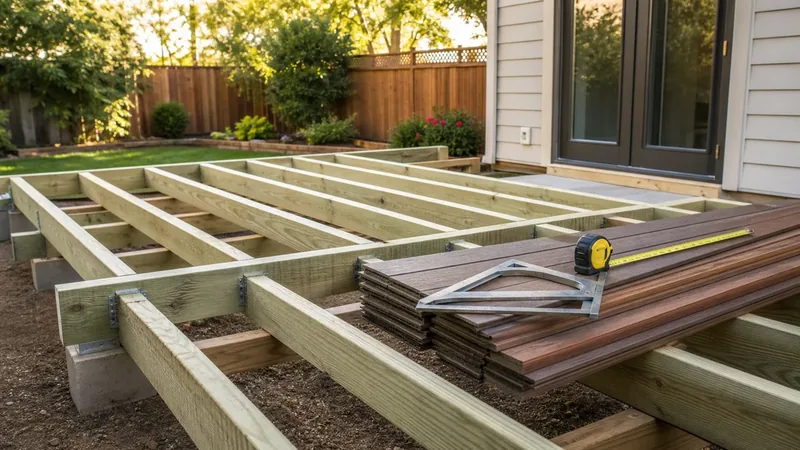
Estimate deck surface area, boards, layout waste, fasteners, and related material categories before construction.
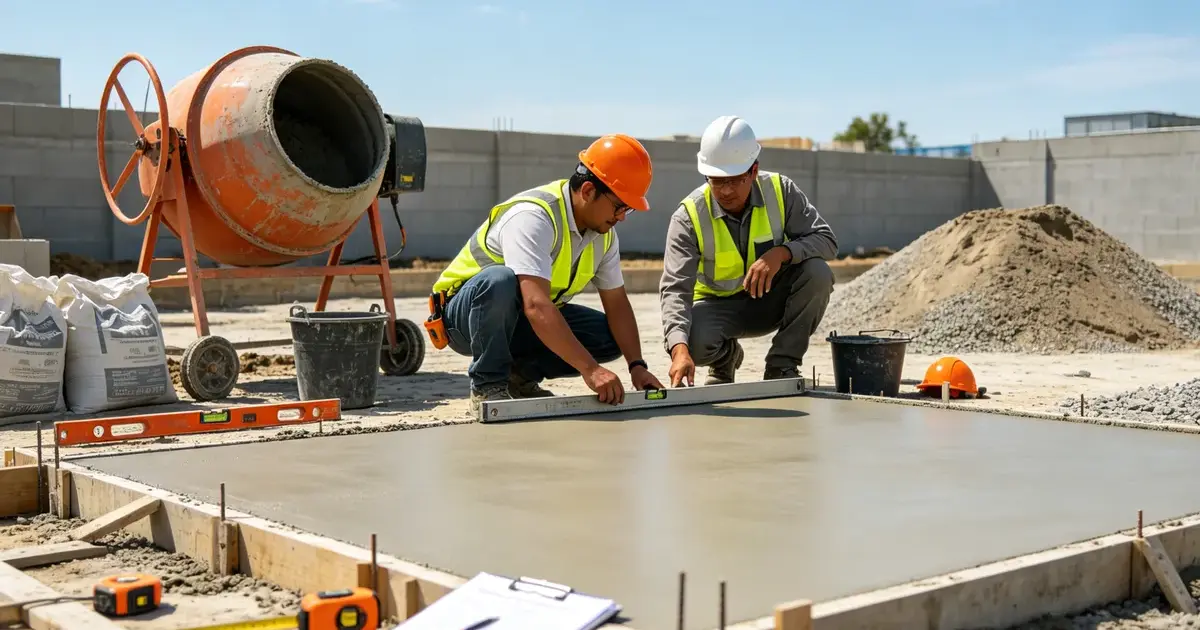
Learn concrete basics for home projects, including concrete types, volume calculation, cost factors, and practical DIY planning tips.
Measure the project’s finished length, width, and depth in one consistent unit, dividing irregular work into rectangular sections.
The dimensions are multiplied to obtain cubic volume, then converted between cubic meters and cubic feet for supplier comparison.
Volume is divided by the assumed yield per bag and rounded up. The product’s actual yield and a site contingency should be applied before ordering.
Use multiple checks because uneven excavation is a common cause of concrete shortages.
Bag weight alone does not determine volume; use the mixed yield stated by the manufacturer.
Complete forms, reinforcement, tools, water access, and labor planning before the pour starts.
Allow for uneven ground, spillage, and form movement without ordering an excessive surplus.
2 tools1 guide
Measurement tools for square footage, room area, perimeter, and early project planning.
Browse Calculators4 tools5 guides
Calculators for tile, flooring packages, carpet, hardwood, waste, and installation planning.
Browse Calculators3 tools0 guides
Outdoor calculators for gravel, mulch, sod, depth, volume, and garden material planning.
Browse Calculators