
A budget renovation usually fails in the cart, not at the cash register. Paint gets rounded up too early, flooring waste is guessed, and concrete bags are bought without checking depth. This guide focuses on practical ways to keep a small renovation under control: measure before shopping, compare material sizes, choose where DIY work is safe, and use calculators to avoid buying far more material than the room needs.
Introduction
Renovating your home is one of the most rewarding investments you can make, but it's also one of the easiest ways to overspend if you're not careful. According to HomeAdvisor, the average American homeowner spends between $18,000 and $75,000 on a major home renovation, with many projects exceeding their original budgets by 20% or more. The good news is that budget home renovation is entirely possible with proper planning and the right approach. Many homeowners have successfully transformed their spaces for a fraction of the typical cost by focusing on high-impact, low-expense improvements like fresh paint, new flooring, and updated fixtures. The secret lies in calculating materials correctly to avoid unnecessary expenses, choosing cost-effective alternatives that deliver similar visual results, and knowing when to tackle projects yourself versus hiring a professional. In this guide, we'll walk you through five actionable tips that will help you achieve your renovation goals without emptying your bank account. Whether you're a first-time renovator or an experienced DIYer, these strategies will help you make informed decisions and get the most value from every dollar you spend.
How to Plan a Renovation Budget
Planning a renovation budget requires three key steps to ensure financial success:
Budget Renovation Checklist
Follow this checklist to stay on track with your renovation budget:
- Set a realistic budget: Be honest about what you can afford and stick to it. Avoid stretching your finances too thin.
- Prioritize important improvements: Focus on projects that add value first, like kitchen and bathroom updates.
- Compare material prices: Shop around at multiple retailers for the best deals on materials.
- Reuse existing items: Repaint or refinish furniture and fixtures instead of buying new ones.
- Track every expense: Use a spreadsheet or app to monitor spending and stay within budget.
- Leave emergency funds: Always have a buffer for unexpected costs that arise during renovation.
Example Renovation Budget Calculation
Let's walk through a real-world example to see how to calculate a renovation budget:
- Project: Living Room Renovation
- Cost Breakdown:
- Paint: $300 (2 gallons + supplies)
- Flooring: $1200 (150 sq ft × $8/sq ft)
- Materials: $500 (trim, nails, caulk)
- Total Estimated: $300 + $1200 + $500 = $2000
- Add 15% contingency: $2000 × 1.15 = $2300
- Final Budget: $2300
Money Saving Renovation Tips
Follow these tips to save money on your renovation project:
- DIY simple projects: Tackle painting, demolition, and basic installations yourself to save on labor costs.
- Buy materials during sales: Purchase materials during holiday sales like Black Friday, Memorial Day, and Labor Day.
- Compare contractors: Get at least three quotes from licensed contractors for professional work.
- Avoid unnecessary changes: Stick to your original plan to prevent expensive change orders.
- Plan before starting: Spend time planning to avoid costly mistakes during construction.
- Use renovation calculators: Our free calculators help you order exact material quantities and reduce waste.
Create a Realistic Renovation Budget
The foundation of any successful budget home renovation is a realistic budget. Without a clear financial plan, it's easy to overspend on materials, underestimate labor costs, or forget about essential expenses. Here's how to create a budget that works:
- Define Project Goals: Start by identifying exactly what you want to achieve. Are you updating a kitchen for resale, refreshing a bedroom for personal enjoyment, or fixing functional issues? Clear goals help you prioritize spending and avoid unnecessary upgrades.
- Estimate Material Costs: Research current prices at home improvement stores like Home Depot, Lowe's, and local suppliers. Create a detailed list of every material you'll need, from paint and flooring to nails and caulk. Use our home improvement calculator to calculate exact quantities.
- Consider Labor Costs: Even if you plan to DIY some tasks, budget for professional help on complex projects. Get at least three quotes from licensed contractors for any work you can't do yourself. Labor typically accounts for 30-50% of total renovation costs.
- Keep Emergency Budget: Set aside 10-20% of your total budget as a contingency fund for unexpected expenses. Older homes often hide surprises like water damage, outdated wiring, or structural issues that only become visible after demolition begins.
- Track Every Expense: Use a spreadsheet or budgeting app to record every purchase, no matter how small. Small expenses like caulk, sandpaper, and brush cleaner add up quickly and can blow your budget if not monitored.
Plan Before You Start
Proper planning is the single most effective way to reduce renovation costs. Rushed projects lead to mistakes, material waste, and expensive change orders. Take time to plan every detail before picking up a hammer:
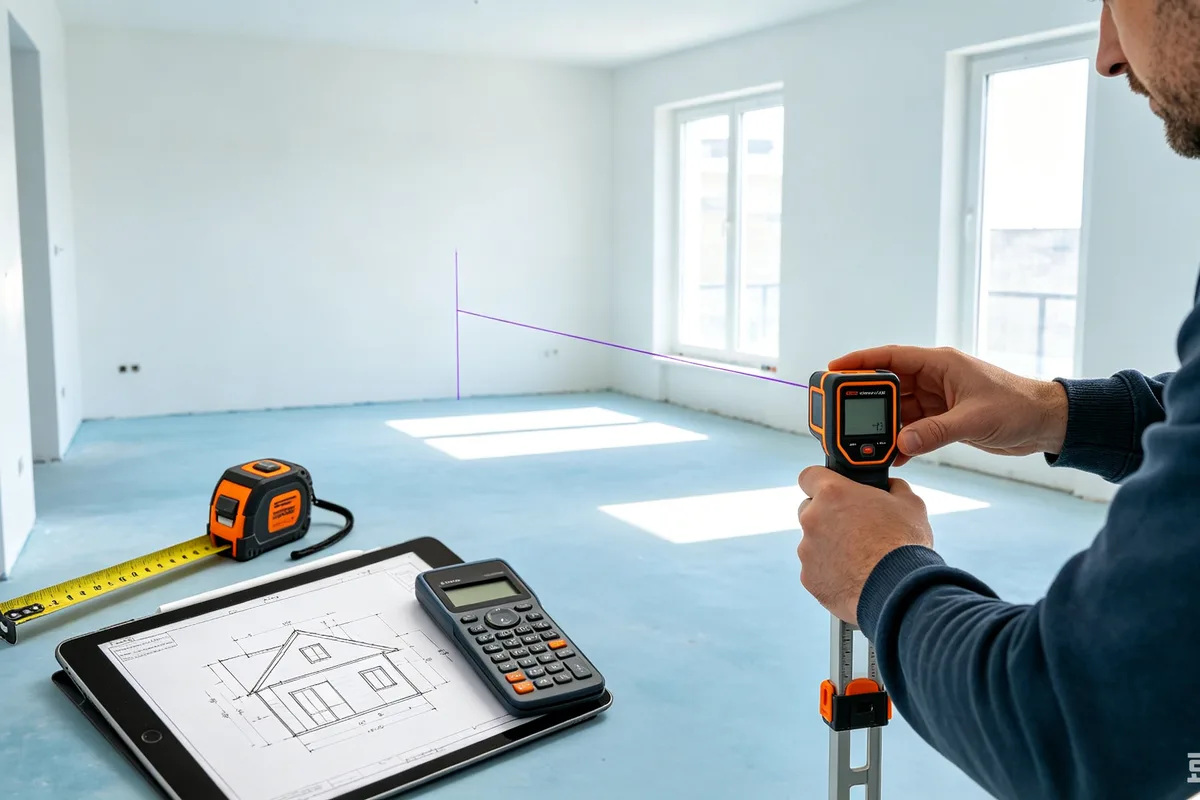
- Measure Spaces Carefully: Accurate measurements are essential for ordering the right amount of materials. Use our Room Area Calculator to calculate exact square footage before ordering flooring, paint, or tiles. Measure twice and order once to avoid costly mistakes.
- Create Material Lists: Document every item you'll need, including small supplies like screws, nails, and sandpaper. A comprehensive list prevents multiple trips to the hardware store and helps you take advantage of bulk discounts.
- Compare Prices: Check prices at multiple retailers before purchasing. Home Depot, Lowe's, Amazon, and local suppliers often have different prices for identical products. Look for seasonal sales, especially around Memorial Day, Labor Day, and Black Friday.
- Avoid Changing Plans During Construction: Change orders are the #1 cause of budget overruns. Once you start demolition, stick to your original plan. Any changes should be documented with updated cost estimates before proceeding.
- Create a Timeline: Establish a realistic timeline that accounts for drying time, curing time, and potential delays. Rushing leads to mistakes, while a well-planned schedule keeps the project moving smoothly.
Choose Cost-Effective Materials
Selecting the right materials is where budget-friendly renovations shine. You don't need the most expensive products to achieve beautiful results—just smart choices that balance cost, durability, and appearance:
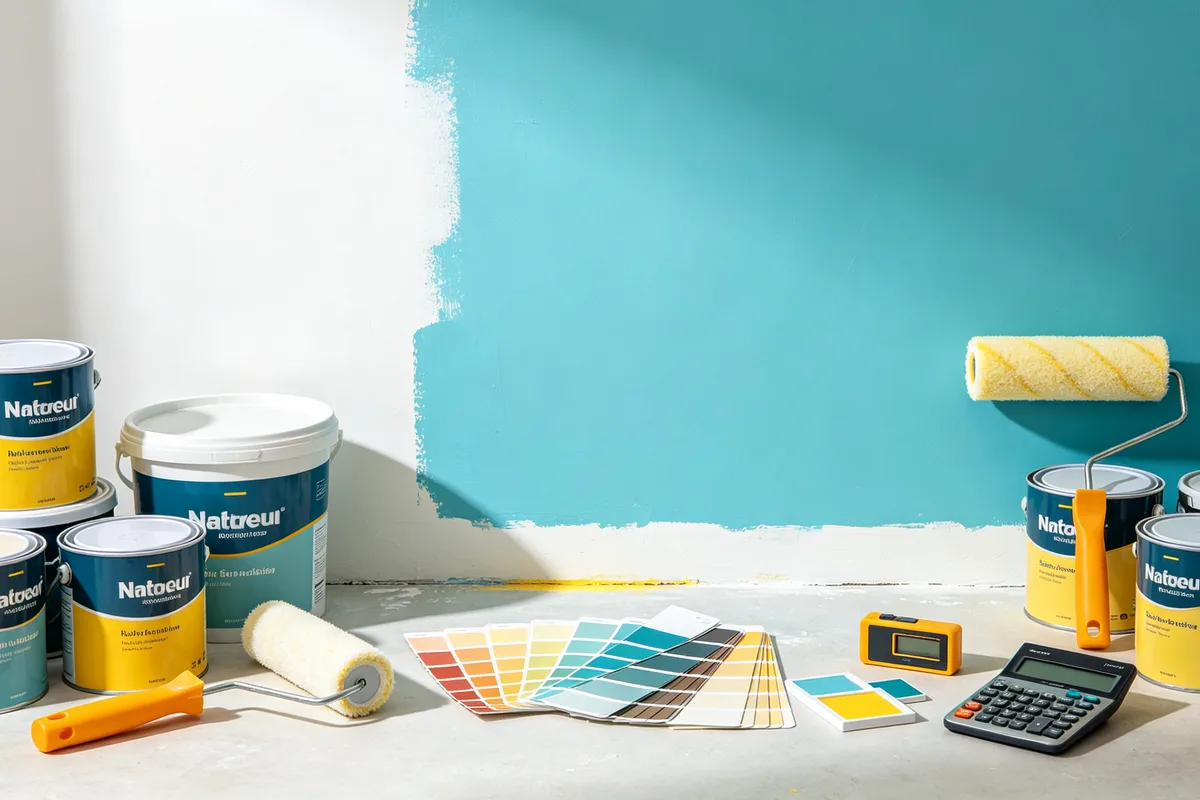
- Paint: Different Grades: Premium paint ($50-$70 per gallon) typically covers better and lasts longer than budget paint ($25-$35 per gallon). However, mid-grade paint ($35-$50 per gallon) offers excellent value for most interior projects. Calculate exact quantities with our Paint Calculator to avoid overbuying.
- Paint: Cost vs Durability: Higher-quality paint requires fewer coats and lasts 10+ years, while cheap paint may need repainting every 3-5 years. For high-traffic areas, invest in premium paint; for low-traffic rooms, mid-grade options work fine.
- Flooring: Laminate: Laminate flooring ($2-$5 per square foot) mimics the look of hardwood at a fraction of the cost. Modern laminate is highly durable, scratch-resistant, and easy to install yourself, saving on labor costs.
- Flooring: Vinyl: Luxury vinyl plank (LVP) ($3-$7 per square foot) is 100% waterproof and ideal for kitchens, bathrooms, and basements. It offers the appearance of wood or stone without the premium price tag.
- Tiles: Compare Sizes and Materials: Larger tiles cover more area with fewer pieces, reducing both material and labor costs. Ceramic tiles ($1-$5 per square foot) are more affordable than porcelain ($3-$10) or natural stone ($5-$20). Use our Tile Calculator to determine exact quantities.
- Cheap Doesn't Mean Lower Value: Many affordable materials offer excellent performance and aesthetics. Focus on value—getting the best quality for your budget—rather than simply choosing the cheapest option. A well-installed laminate floor can look just as beautiful as expensive hardwood.
Do Some Work Yourself
Labor costs typically account for 30-50% of a renovation budget. Tackling suitable projects yourself can save thousands of dollars, but it's crucial to know which tasks are safe for DIY and which require professional expertise:
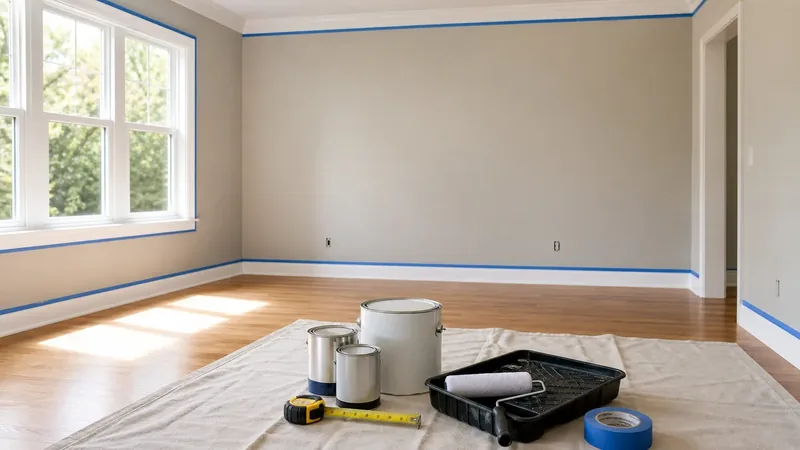
- Suitable for DIY: Painting Walls: Interior painting is one of the most beginner-friendly DIY projects. With proper preparation, quality tools, and our Paint Calculator, even first-timers can achieve professional-looking results.
- Suitable for DIY: Removing Old Flooring: Demolition work like tearing up old carpet, removing laminate, or prying up old tiles is labor-intensive but doesn't require special skills. Save on labor costs by doing this work yourself.
- Suitable for DIY: Simple Measurements: Measuring rooms, calculating material quantities, and planning layouts are all tasks homeowners can handle. Our free calculators make this easy and accurate.
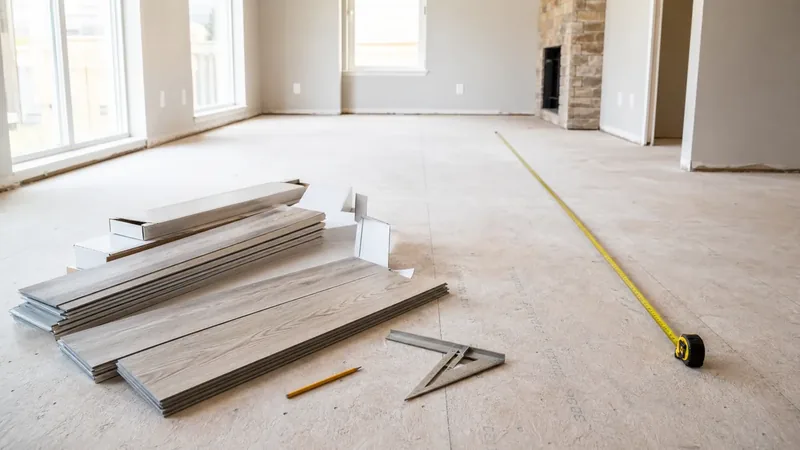
- Suitable for DIY: Installing Laminate or Vinyl Flooring: Click-lock flooring systems are designed for DIY installation. With basic tools and patience, you can install 200-300 square feet of flooring in a weekend.
- Not Recommended for DIY: Electrical Work: Electrical work requires permits, inspections, and licensed electricians. Improper wiring causes fires and voids homeowners insurance. Always hire a professional for electrical projects.
- Not Recommended for DIY: Plumbing: Plumbing mistakes cause water damage, mold, and expensive repairs. Hire licensed plumbers for any work involving water supply lines, drain pipes, or gas lines.
- Not Recommended for DIY: Structural Changes: Removing walls, modifying load-bearing structures, or changing home footprints require engineering analysis and permits. These projects should always be handled by licensed contractors.
Reduce Material Waste
Material waste is one of the biggest sources of budget overruns in home renovations. The average DIYer wastes 15-20% of materials due to inaccurate measurements, overbuying, and improper storage. Here's how to minimize waste and maximize your budget:
- Accurate Measurements: Use our home improvement calculators to determine exact material quantities. Precise measurements prevent both overbuying (wasted money) and underbuying (costly mid-project trips to the store).
- Buy Correct Quantities: Order materials based on calculated needs plus a reasonable waste allowance. For paint, add 10% extra; for flooring, add 10-15%; for tiles, add 15% to account for cuts and breakage.
- Add Reasonable Waste Allowance: Different materials require different waste allowances. Use our Paint Calculator for paint, Tile Calculator for tiles, and Flooring Calculator for flooring to automatically include appropriate waste percentages.
- Store Materials Properly: Keep materials in their original packaging until needed. Store tiles flat, paint in temperature-controlled areas, and flooring acclimated to room conditions for 48 hours before installation.
- Save Leftover Materials: Keep unused materials for future repairs. Leftover paint can touch up scuffs, extra tiles can replace cracked ones, and spare flooring planks can repair water damage. Label all leftovers with room names and purchase dates.
- Plan Cuts Efficiently: When cutting tiles, flooring, or trim, plan your cuts to minimize waste. Use offcuts for small spaces like closets or behind appliances. Professional installers can often achieve less than 5% waste with careful planning.
Renovation Mistakes That Increase Costs
Even experienced DIYers make mistakes that inflate renovation costs. Recognizing these common pitfalls can save you hundreds or even thousands of dollars:
- Poor Planning: Starting demolition without a detailed plan leads to costly changes, material shortages, and timeline delays. Spend 20% of your project time planning to save 50% on execution.
- Buying Too Much Material: Overestimating material needs ties up cash in unused inventory. Use our calculators to order precise quantities with appropriate waste allowances.
- Ignoring Measurements: Guessing at measurements instead of using accurate tools leads to incorrect material orders and ill-fitting installations. Always measure twice and calculate carefully.
- Choosing Wrong Materials: Selecting materials unsuited for the application (like hardwood in bathrooms) leads to premature failure and costly replacements. Research material suitability before purchasing.
- Skipping Surface Preparation: Rushing preparation work causes paint to peel, tiles to crack, and flooring to fail. Proper prep takes time but prevents expensive do-overs.
- Hiring Cheap Contractors: Unlicensed contractors may offer low prices, but their work often fails inspections and requires expensive repairs. Always hire licensed, insured professionals for complex work.
How Home Improvement Calculators Help
HomCalc offers a suite of free calculators designed to help American homeowners plan renovations accurately and save money. These tools eliminate guesswork and prevent costly material miscalculations:
- Paint Calculator: Calculate exact paint quantities based on room dimensions, number of doors and windows, and desired coats. Prevents overbuying expensive paint and ensures you have enough for complete coverage.
- Tile Calculator: Determines how many tiles you need based on room size and tile dimensions. Automatically includes 15% waste allowance for cuts and breakage, ensuring you order the right amount the first time.
- Flooring Calculator: Calculates flooring material needs for hardwood, laminate, vinyl, and carpet. Includes waste allowance and helps you budget accurately before purchasing materials.
- Room Area Calculator: Quickly calculates room area and perimeter for any rectangular space. Essential for estimating materials for flooring, paint, baseboards, and crown molding.
- Concrete Calculator: Determines concrete volume needed for driveways, patios, walkways, and foundations. Calculates cubic yards and bags required, preventing costly overages or shortages.
- Why Calculators Matter: These calculators help estimate materials before purchase, reducing waste by up to 20% and saving the average homeowner $200-$500 per project. They're especially valuable for first-time renovators unfamiliar with material calculations.