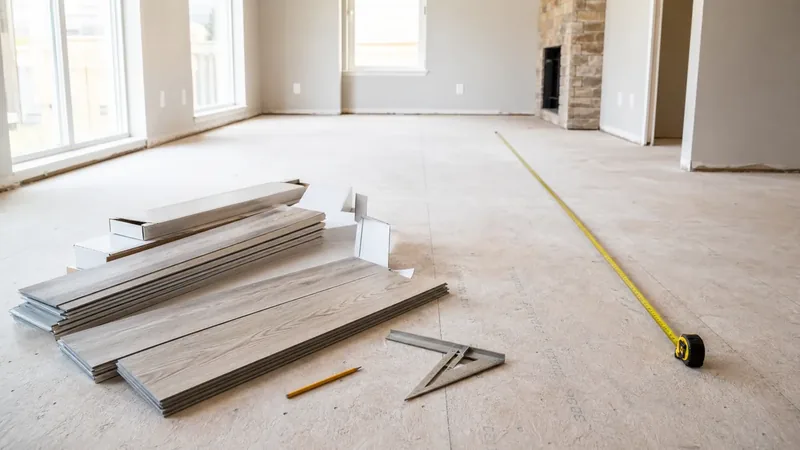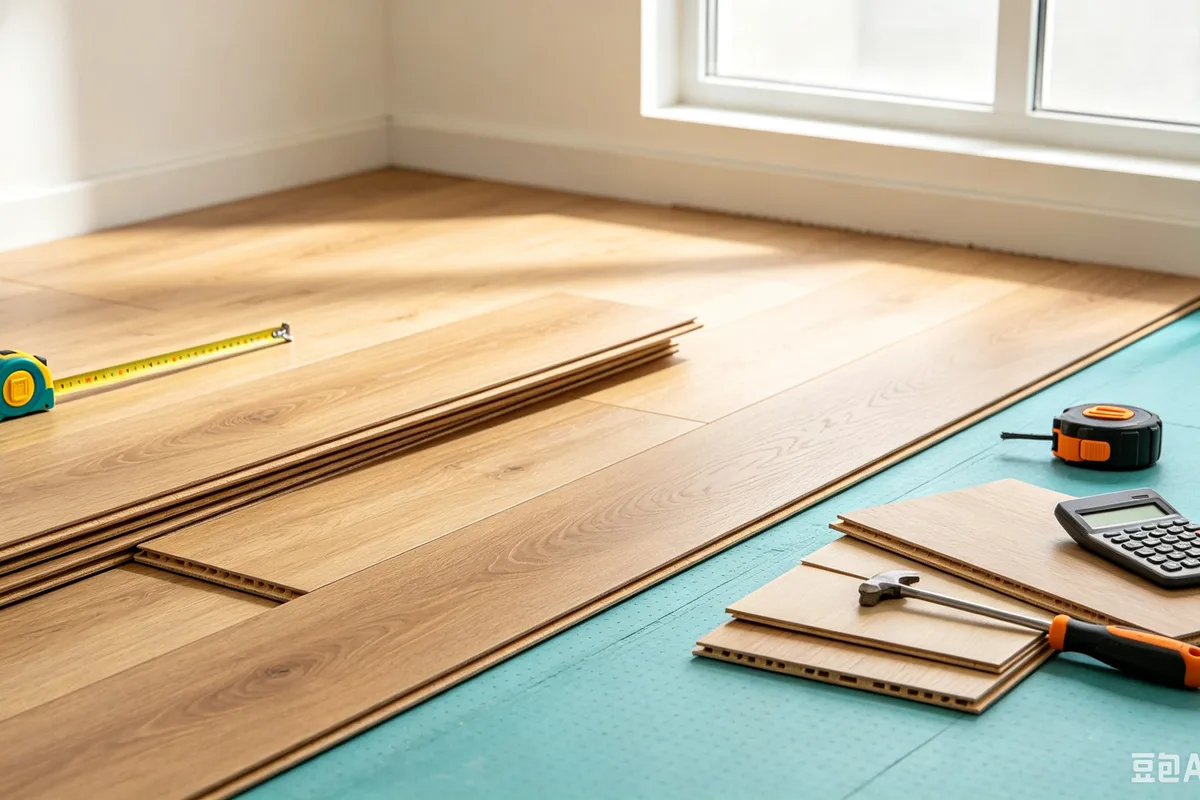

Hardwood and laminate can create a warm, wood-look floor, but they differ in construction, cost, repair options, moisture tolerance and long-term character. Hardwood uses real wood through the wear surface and can often be refinished, while laminate uses a photographic design layer over a manufactured core with a protective top layer. Neither choice is automatically best for every homeowner. The right floor depends on the room, household traffic, pets, subfloor, budget, installation plans and how long you expect to keep the material. This guide compares the two options in practical terms and explains how purchase quantity fits into the decision. A lower price per square foot does not describe underlayment, trim, subfloor preparation, waste, labor or future replacement. Before choosing, request samples, inspect them in the room’s daylight, read warranty exclusions and compare total installed cost. Once a product is selected, use the Flooring Calculator with its exact package coverage and an appropriate waste allowance to create a realistic order rather than comparing price tags alone.
How Hardwood and Laminate Are Made
Solid hardwood is milled from one piece of timber, while engineered hardwood combines a real-wood wear layer with a stable layered base. Laminate typically uses a dense fiberboard core, printed décor layer and clear wear surface. Construction affects how each floor responds to moisture, dents, scratches and refinishing. Product quality within either category varies widely, so compare specifications rather than assuming every hardwood or laminate performs alike. Keep the estimate tied to a real purchase decision: the package size on the shelf, the coverage printed on the label, and the waste created by cuts, seams, edges, or uneven surfaces. A short note with room dimensions, units, product coverage, and waste allowance makes it easier to compare store quotes and catch a bad assumption before materials are ordered.
What to Measure Before You Calculate
Measure the finished surface the material will actually cover. Use one unit system, label each wall or floor section on a quick sketch, and keep product coverage beside the measurement notes. The quantity calculation is similar for both materials, but installation rules and waste can differ. Record room area, package coverage, plank dimensions and every transition before comparing total cost.
- Net floor area: Measure all rooms, closets and connected sections that will receive the chosen floor.
- Package coverage: Use the exact square footage or square meters shown on each product carton.
- Subfloor condition: Record unevenness, moisture concerns and repairs because preparation affects installed cost.
- Transitions and trim: Count doorways, stair edges, baseboards, reducers and matching moldings separately.
- Waste allowance: Adjust for room shape, plank direction, visual board selection and retained repair stock.
Comparing Material Quantity and Cost
Calculate the same purchase area for comparable layouts, divide by each product’s box coverage, and compare full-package cost. Add product-specific underlayment, trim, preparation and labor. Keep the unit used for area or volume consistent with the manufacturer's coverage information. Carry the calculated quantity forward, apply the waste or contingency allowance, then round up to the package, roll, container, sheet, bundle, or delivery quantity that can actually be purchased.
Step 1: Purchase Area
Wall Area =
net floor area × (1 + waste percentage ÷ 100)
Use the same realistic layout assumption for both options.
Step 2: Material Cost
Paint Needed =
whole boxes × price per box + accessories + preparation + labor
A per-square-foot price alone is incomplete.
Hardwood and Laminate Budget Example
A homeowner has 500 sq ft of net floor area and uses 10% waste. Hardwood covers 20 sq ft per box at $110, while laminate covers 22 sq ft per box at $55.
- Purchase area = 500 × 1.10 = 550 sq ft
- Hardwood boxes = 550 ÷ 20 = 27.5, rounded to 28
- Hardwood material = 28 × $110 = $3,080
- Laminate boxes = 550 ÷ 22 = 25, so 25 boxes
- Laminate material = 25 × $55 = $1,375
- Add underlayment, trim, subfloor work, labor and delivery before comparing totals
Factors That Change the Final Quantity
The formula gives the baseline. These jobsite details decide whether that baseline is enough for the actual order:
- Moisture: Standing water and high humidity can damage wood and fiberboard cores; product ratings matter.
- Wear and repair: Hardwood can develop patina and may be refinished, while damaged laminate planks are replaced.
- Installation: Floating laminate is often DIY-friendly; hardwood methods and subfloor needs can be more demanding.
- Sound and feel: Subfloor, underlayment, product thickness and attachment method influence acoustics and firmness.
- Resale priorities: Real wood may appeal to some buyers, but condition and installation quality remain important.
Practical Tips for Homeowners
These checks are small, but they are the kind that prevent an extra store run halfway through a Saturday project:
- Take samples home: View color, texture and sheen beside walls and furniture in daylight and evening light.
- Read water exclusions: Marketing terms such as water-resistant and waterproof have specific warranty limits.
- Compare wear specifications: Look at finish warranty, abrasion rating, thickness and approved room uses.
- Budget preparation: Leveling, moisture control and removal can cost more than the flooring price difference.
- Keep spare planks: Future repairs are easier when matching boards from the original lot remain available.
Common Estimating Mistakes to Avoid
The math is usually simple. The expensive mistakes come from weak measurements, optimistic coverage, and rounding too early:
- Choosing by appearance alone: A beautiful sample may be unsuitable for moisture, pets or the subfloor.
- Comparing sticker price: Accessories, preparation, labor and maintenance change total ownership cost.
- Assuming hardwood is indestructible: Wood can scratch, dent, fade and move with indoor humidity.
- Assuming laminate is maintenance-free: Joints, spills and abrasive grit still require prompt care.
- Ignoring installation rules: Expansion gaps, acclimation and flatness tolerances protect both products.
Turning the Estimate into a Material Order
Use identical room measurements in the Flooring Calculator, then substitute each product’s package coverage and price. Create separate totals for material, underlayment, trim, preparation, delivery, labor and likely maintenance so the comparison reflects the whole project. Compare the calculated requirement with the exact product specification, because nominal sizes and advertised coverage can differ from usable coverage. Round up to purchasable units and keep matching products, such as paint batches, wallpaper dye lots, flooring colors, or tile shades, in one order. For expensive, structural, hazardous, or unusually shaped projects, have a qualified supplier or contractor review the dimensions and assumptions before purchase.
Final Calculation Checklist
Before buying, confirm that the estimate answers the actual renovation question and includes every relevant surface or section.
- Measurements: All dimensions were checked twice and recorded with units.
- Project scope: Openings, closets, transitions, separate surfaces, and excluded areas were handled deliberately.
- Product data: Coverage, package size, pattern repeat, yield, or usable dimensions came from the selected product.
- Extra material: Waste or contingency reflects the layout, surface, installer experience, and repair needs.
- Final rounding: The result was rounded up to whole purchasable units after all adjustments.