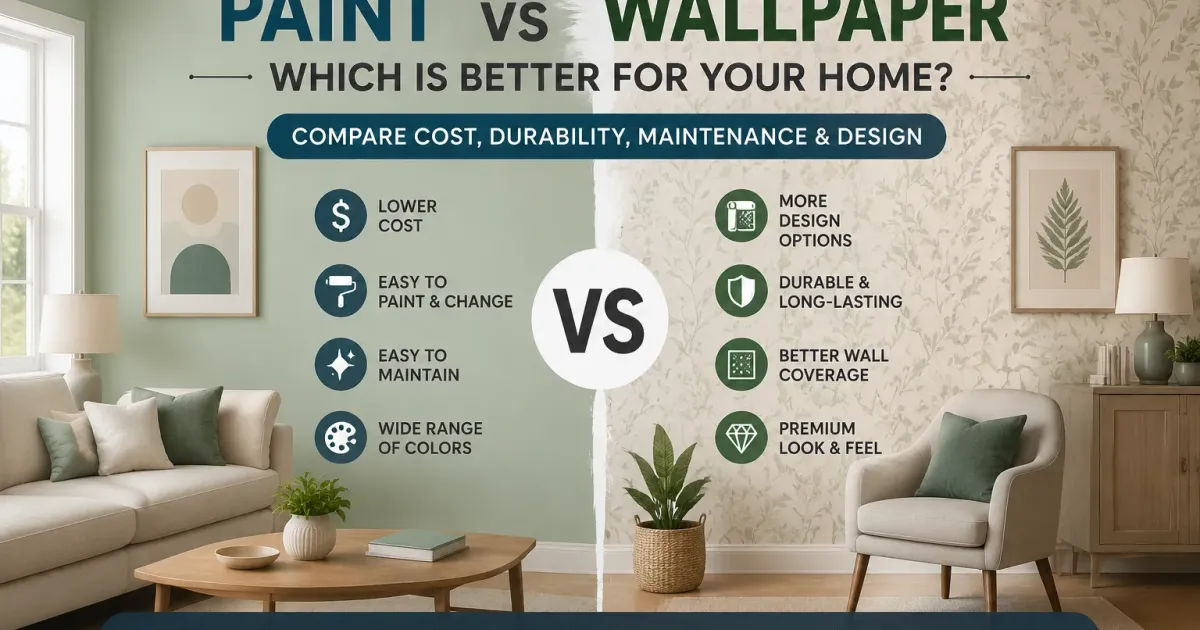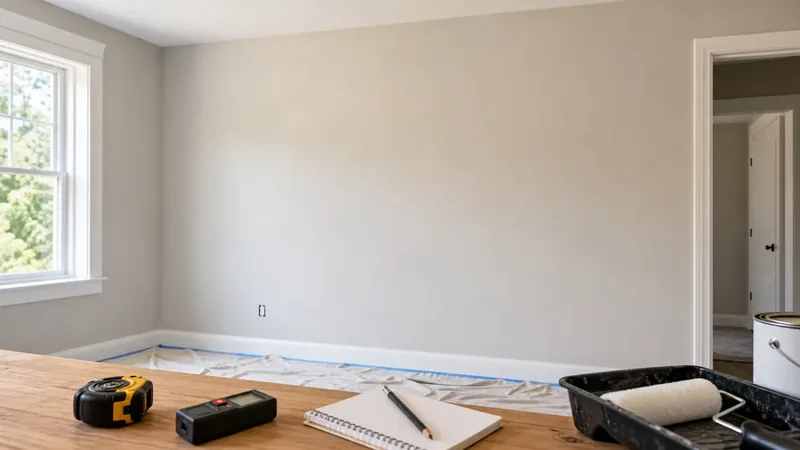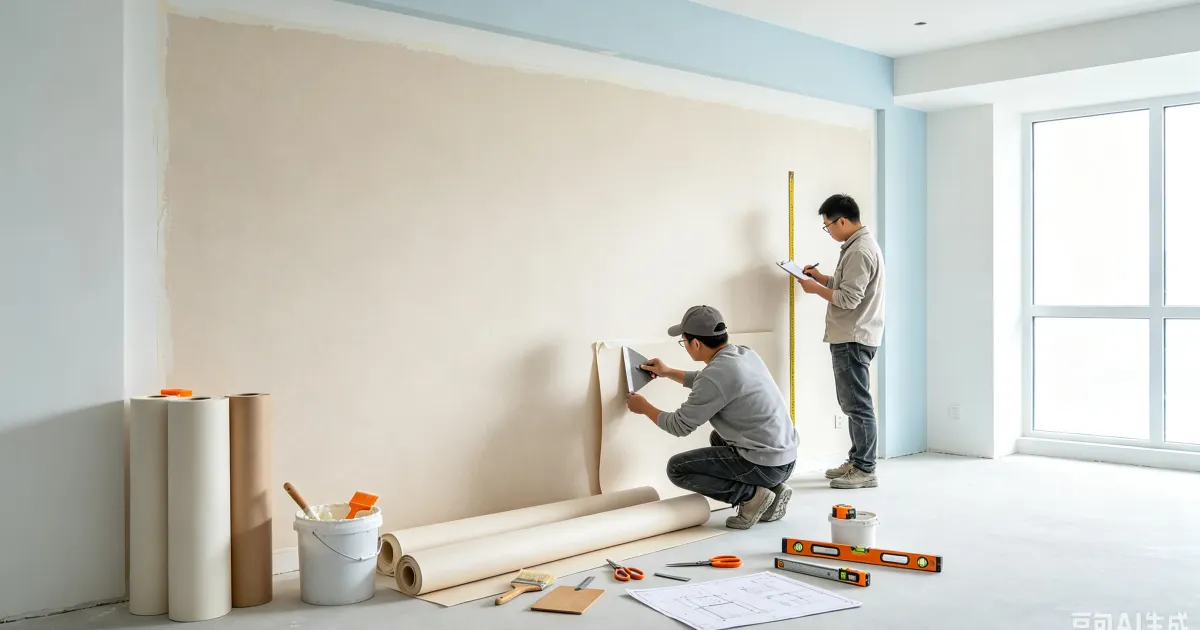

Wallpaper is purchased in rolls, but the useful quantity depends on more than total wall area. A roll must be cut into full-height drops, and patterned paper consumes additional length whenever adjacent drops are aligned. That is why an area estimate is a helpful starting point but not always a final order. This guide explains how homeowners can measure a room or feature wall, calculate gross and net wall area, read roll width and length, understand pattern repeat and match type, and convert the result into whole rolls. It also covers doors, windows, sloped ceilings, batch numbers and sensible spare material. Accurate planning is especially important because a later roll from a different dye lot may have a visible color variation. Begin with a wall sketch and the exact product specification rather than assuming every roll is standard. Use the Wallpaper Calculator for a quick area-based estimate, then check the number of usable drops per roll when the pattern repeat is large or the room has many full-height sections.
Why Wallpaper Roll Estimates Need More Than Area
Wallpaper covers a wall in vertical strips. Roll width determines how many drops are required, while wall height, trimming allowance and pattern repeat determine how many drops can be cut from each roll. An area calculation can underestimate a large-repeat design because unusable lengths remain after matching. Plain, random-match and small-repeat papers generally use a roll more efficiently than straight-match or half-drop designs. Keep the estimate tied to a real purchase decision: the package size on the shelf, the coverage printed on the label, and the waste created by cuts, seams, edges, or uneven surfaces. A short note with room dimensions, units, product coverage, and waste allowance makes it easier to compare store quotes and catch a bad assumption before materials are ordered.
What to Measure Before You Calculate
Measure the finished surface the material will actually cover. Use one unit system, label each wall or floor section on a quick sketch, and keep product coverage beside the measurement notes. Record every wall width and the maximum papered height. Keep feature walls separate and use the product label for roll dimensions and repeat rather than a generic assumption.
- Wall widths: Measure each papered wall from corner to corner and add widths for a full-room project.
- Maximum wall height: Measure in several places and include trimming allowance at the top and bottom.
- Roll width and length: Use usable dimensions from the product specification, not the package name alone.
- Pattern repeat: Record repeat distance and whether the match is random, straight, offset, or half-drop.
- Large openings: Measure windows and doors, but remember narrow offcuts may not replace full drops.
Wallpaper Area and Roll Calculation
For an early estimate, calculate net wall area and divide by usable roll coverage, then add waste and round up. For patterned paper, verify the result with a drop calculation based on wall height and repeat. Keep the unit used for area or volume consistent with the manufacturer's coverage information. Carry the calculated quantity forward, apply the waste or contingency allowance, then round up to the package, roll, container, sheet, bundle, or delivery quantity that can actually be purchased.
Step 1: Net Wall Area
Wall Area =
2 × (room length + room width) × wall height − opening area
Use individual wall areas for a feature wall or irregular room.
Step 2: Area-Based Rolls
Paint Needed =
round up(net wall area ÷ usable coverage per roll × waste factor)
A factor of 1.10 represents 10% extra.
Step 3: Drop Check
Paint Needed =
drops required = round up(total wall width ÷ roll width)
Compare required drops with usable drops cut from each roll.
Wallpaper Roll Example
A feature wall is 15 ft wide and 8 ft high. The chosen roll is 20.5 in wide and 33 ft long with a modest repeat. Its stated usable coverage is 56 sq ft.
- Wall area = 15 × 8 = 120 sq ft
- Area-based rolls = 120 ÷ 56 = 2.14
- Apply 10% planning waste: 2.14 × 1.10 = 2.35
- Round up to 3 rolls
- Check drop count and pattern matching on the manufacturer’s instructions before ordering all three from one dye lot
Factors That Change the Final Quantity
The formula gives the baseline. These jobsite details decide whether that baseline is enough for the actual order:
- Pattern repeat: A long repeat increases the length consumed by each matched drop.
- Match type: Half-drop and offset patterns usually generate more waste than random match.
- Wall height: A small height increase may reduce the number of complete drops available per roll.
- Room geometry: Alcoves, sloped walls and many short returns create additional cuts.
- Material type: Murals, grasscloth and wide commercial wallcoverings may use different ordering methods.
Practical Tips for Homeowners
These checks are small, but they are the kind that prevent an extra store run halfway through a Saturday project:
- Buy one dye lot: Order all rolls together and confirm matching batch numbers before installation.
- Read the repeat: Do not rely only on nominal square-foot coverage for patterned wallpaper.
- Add trimming length: Allow material at both ends of each drop for alignment and clean cutting.
- Plan the starting point: Center focal patterns and avoid a narrow final strip in a prominent corner.
- Keep a spare: An unopened matching roll is valuable for later repairs when the design is discontinued.
Common Estimating Mistakes to Avoid
The math is usually simple. The expensive mistakes come from weak measurements, optimistic coverage, and rounding too early:
- Buying by wall area alone: Area does not show how many full-height patterned drops a roll provides.
- Ignoring units: Roll dimensions in inches or centimeters must be converted consistently.
- Subtracting every opening: Offcuts above doors or below windows may not replace full drops elsewhere.
- Mixing batches: The same design can show noticeable shade changes between dye lots.
- Ordering the exact minimum: Damage, alignment and future repairs are difficult to solve without matching spare material.
Turning the Estimate into a Material Order
Use the Wallpaper Calculator for a fast whole-room estimate, then create a drop plan for the selected paper. Ask the retailer to confirm repeat allowance when product instructions provide a dedicated roll chart. Compare the calculated requirement with the exact product specification, because nominal sizes and advertised coverage can differ from usable coverage. Round up to purchasable units and keep matching products, such as paint batches, wallpaper dye lots, flooring colors, or tile shades, in one order. For expensive, structural, hazardous, or unusually shaped projects, have a qualified supplier or contractor review the dimensions and assumptions before purchase.
Final Calculation Checklist
Before buying, confirm that the estimate answers the actual renovation question and includes every relevant surface or section.
- Measurements: All dimensions were checked twice and recorded with units.
- Project scope: Openings, closets, transitions, separate surfaces, and excluded areas were handled deliberately.
- Product data: Coverage, package size, pattern repeat, yield, or usable dimensions came from the selected product.
- Extra material: Waste or contingency reflects the layout, surface, installer experience, and repair needs.
- Final rounding: The result was rounded up to whole purchasable units after all adjustments.